Music licensing value isn’t driven by placement volume. It’s driven by rights retention and backend broadcast royalties. Independent artists lose substantial lifetime revenue by accepting quick upfront fees instead of holding composition ownership and securing performance checks. Keeping your copyright control turns a single placement into a recurring revenue stream. Read on to master the exact contract adjustments needed to protect your catalog’s true market value.

What is Sync Music Licensing?
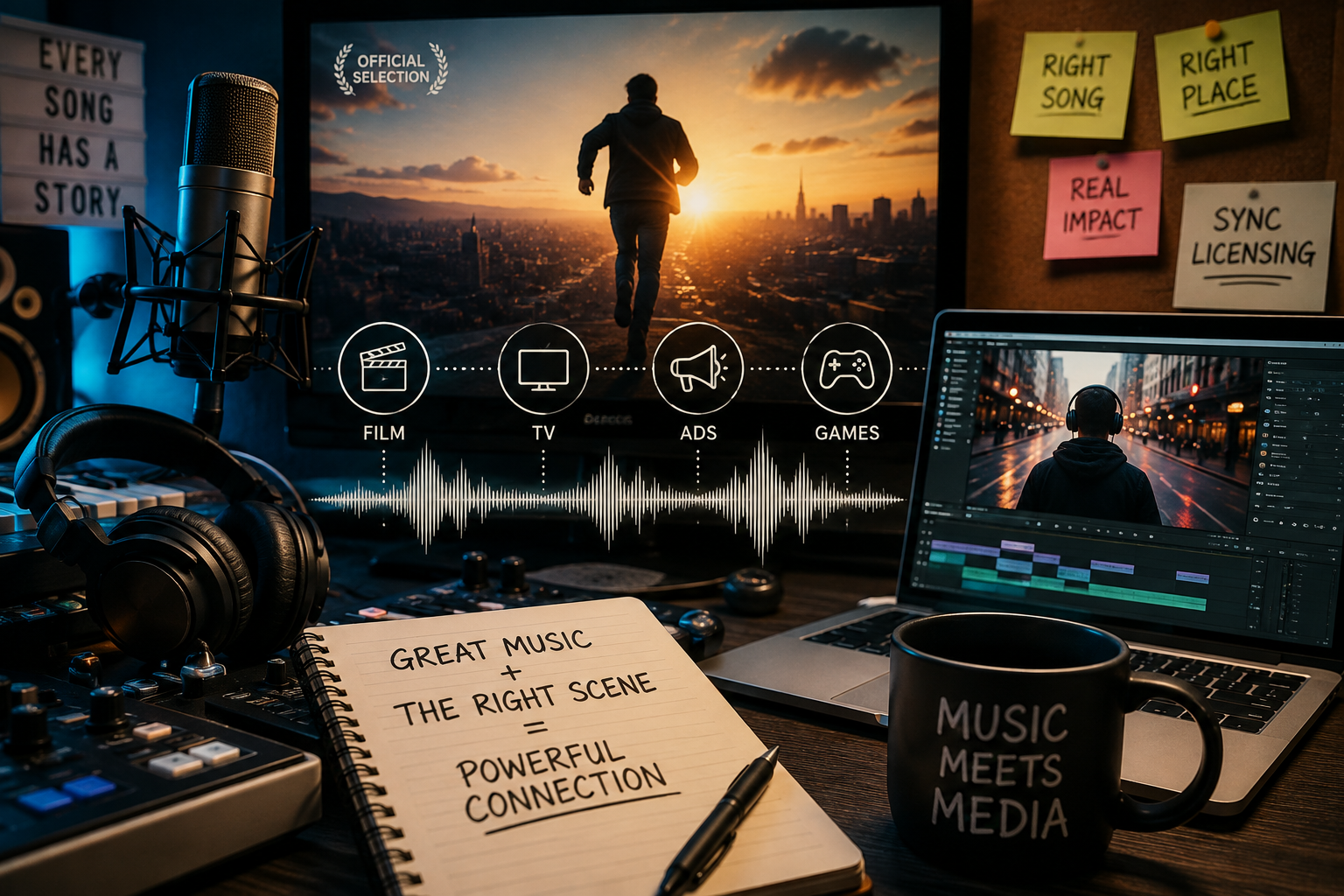
Sync licensing is when your music gets paired with picture, media, or branded content. That could be a reality TV scene, a podcast intro, a fitness campaign, or an ad on YouTube. The value is what the song helps the creative say beyond the visual component. That’s how sync music becomes more valuable.
How to get your Music on TV shows, Reality TV, Podcasts, and Brand Campaigns
My first sync placements didn’t come from chasing a fantasy version of the music industry. They came from making useful music. Music that could sit under a scene, brand a podcast, push a fitness edit forward, or give a reality TV moment the right emotional cue. It was clean, with a quick turnaround and exactly what the editor asked for. It’s not as fancy as I had thought. Intentional, to the point, no extra fluff. Tell the story and be done.
The track’s job is to serve a purpose, not just sound cool. You can do both at the same time though.
In my brief experience with some reality show placements overseas, it can put your music in a better position to earn. It can benefit the producer/artist/writer by just consistently pitching to these shows and understanding the methods behind the madness. The track building is different; the structure, time, and the way it’s produced are NOT like releasing music for the masses. Once I understood that and left my ego at the door, it began to work; ASCAP started to send me checks!
What Sync Licensing means
- A music supervisor, editor, producer, agency, or brand needs music. They need to tell their story. They need to relate, humanize the brand and connect with their potential client.
- They license a track instead of hiring someone from scratch. They go through a publisher who is a trusted, vetted source of music that has all there paperwork in order.
- The track supports the story, feel, pacing, and identity of the project.
- You can get paid through sync fees, backend royalties, or both.
The music isn’t picked at random. It gets picked when it makes the scene, product, intro, or campaign work more efficiently. Defining the brand in an audio sense draws a wider audience and can garner more attention. The more utility the track has, aka edit points and variation, the more it can be utilized in different ways.
That’s the whole game!
Why TV shows and Reality TV use So much Music
Reality TV uses music for:
- Scene changes
- Tension
- Comedy
- Competition moments
- Emotional confessionals
- Recaps
- Party scenes
- Fitness montages
- Drama Setups
- Build moments before reveals
- Arrival moments where the emotion pays off
Reality TV needs music that gets to the point fast. No long intro. No waiting around. The editor needs to know what the track does within a few seconds.
Commercial music needs clear sections, edit points, memorable hooks, and useful structure. No cerebral, fancy production, slow build trickery. Show your cards in a prompt, economical way, and you’re good.
Podcast intros are Synced too
A podcast intro might not feel as glamorous as a TV placement, but it teaches the same lesson: the music has to brand the show before anyone says a word.
Podcast clients care about:
- Does it sound like the host?
- Does it set the tone fast?
- Is it memorable?
- Can it loop or be edited?
- Does it feel clean under a voiceover?
- Does it create trust?
In my experience, it’s best to get as detailed a description as possible to make sure your taking that brand ID to a level they want. What mood are they going for.?
What Brands and Creatives Value in Music
Who the track is for, what mood it creates, and how the genre pulls it off.
Creatives don’t just search for “a good song.” They search for a feeling attached to a use. Confident fitness track. Warm family cue. Gritty sports anthem. Playful fashion beat. Premium tech pulse.
Then show how brands think:
- Fitness brands want momentum, confidence, drive.
- Reality TV editors want emotion that reads fast.
- Podcasts want identity.
- Big brands want music that makes the product feel valuable, current, and desirable.
The better you understand the use, the better your music becomes to support that narrative.
How to make Music that gets picked
Tracks that sync serve a purpose. Also, music that is high-quality, bold, and matches the sonic identity of the visuals. If you’re more curious about the audio aspect, check out my “Master Chain” breakdown on this blog post I did.
Keep the hook Clear
This applies to lyrics, melodies, sounds, and rhythm.
Make it Sound finished
if it doesn’t sound like it belongs next to commercially released music, it’s not ready.
A great idea with a weak mix is still a weak pitch. Spending time to make it more competitive is always the right move.
How I’ve approached Placements so far
Are you getting placed in TV, big brand ads, small businesses around town, films, video games and podcasts? These are some of the outlets that are possible.
With that being said, this is what I’ve learned thus far.
Reality TV taught me Speed
Talk about fast emotional reads, useful sections, and editors needing music that works right away.
Fitness Brands taught me Energy
Talk about drive, repetition, confidence, movement, and simple hooks.
Podcast intros taught me Identity
Talk about music acting like a logo.
Then pivot:
Those placements taught me how useful music works. Big brand ads are the next lane I’m aiming at, and the same rules apply at a higher level.
How artists can start pitching their Music
- Build a small catalog around clear uses.
- Make instrumental versions.
- Make clean edits.
- Tag your tracks with mood, genre, tempo, and use case.
- Research libraries that place music in TV, podcasts, or social media ads.
- Don’t send random folders with no context.
- Make the pitch easy to understand.
If the person receiving your music has to figure out what it’s for, you’ve already made their job harder.
Common mistakes Artists make with Sync Licensing
- Writing songs with no clear use
- Long intros
- Lyrics that are too personal
- No instrumental version
- No clean version
- Weak metadata
- Overcrowded mixes
- Trying to sound “syncy” instead of sounding real
- Pitching before the track is done
Most artists don’t lose sync opportunities because they lack talent. They lose them because they’re not useful. You’re a paid actor. Providing value specifically for a show runner/sync licensing agent is the gig.
Make music that makes the Creative’s job easier
Sync licensing isn’t just about getting your song placed. It’s about making music that helps a scene, brand, show, or campaign say the thing it’s trying to say.
Reality TV, fitness brands, and podcast intros have all taught me the same lesson: the more useful the music is, the more valuable it becomes.
Make music people can use. Then make it easy for them to say yes.
Here’s what I’ve learned from real placements, and here’s how I’m applying it to bigger sync goals.
FAQ
What is sync licensing?
Sync licensing is “syncing” music to picture, tv, ads and visual media. It brings the picture to life and creates sonic and emotional depth.
How do you get music placed on TV shows?
You submit music through a music publisher who has relationships and trust built with TV/Film agencies.
Do podcast intros count as Sync Licensing?
Yes, they do! It’s a form of music syncing to audio and that’s usually uploaded to video after.
What kind of Music works best for Reality TV?
It truly depends on the style of show. In my experience, it tends to be to the point, bold, intentional music. NOT overly complex with enough space for voice over to rest on top without distraction. Music that constantly evolves is Wonka’s golden ticket.
How do Brands choose Music for Ads?
They tend to reach out to trusted publishers that house a variety of quality music and artists in one place. That way, they can make one email, save time, get a wide spectrum of music that is cleared and has all necessary paperwork in order. The last thing brands want is a lawsuit because they chose a track with an uncleared sample. Don’t burn that bridge!